Nobel Prize
in Chemistry, 2024
Director: Romi Chaovat
This is a directive-style committee.
Topic Summary
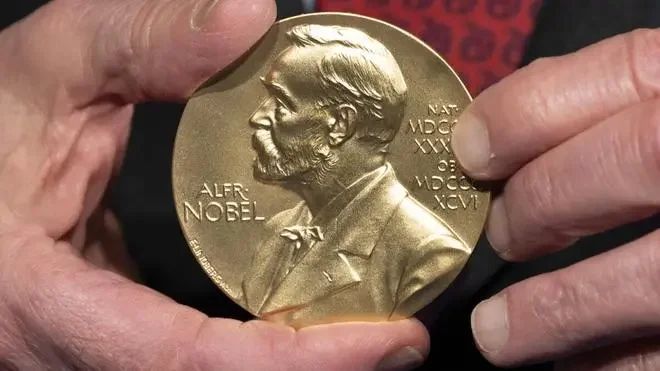
For over fifty years, protein folding existed as one of biology's greatest unsolved challenges. The question was so essential to modern-day medicine as proteins heavily govern cellular processes, and derive their function from their three-dimensional shape. However, in 2024, the Royal Swedish Academy of Sciences awarded the Nobel Prize in Chemistry to David Baker, Demis Hassabis, and John Jumper for solving this problem through the artificial intelligence model: AlphaFold2. However, the award sparked controversy, as dozens of researchers argued that their foundational contributions were erased from history. Simultaneously, the prize raised an unprecedented question as the laureates conducted their research within Google DeepMind, effectively honoring a billion-dollar corporation over pure science. This committee will examine how scientific discoveries emerge, trace the structures of power that shape scientific recognition, and determine what it means to fairly credit a discovery that, in reality, was the work of far more individuals than history typically acknowledges.
Director’s Letter
Dear Delegates,
It is my pleasure to welcome you to the Nobel Prize in Chemistry, 2024 committee for the 2027 session of Harvard National Model United Nations. I am honored to serve as your director in this specialized body, and I look forward to witnessing your teamwork and scientific problem-solving over the course of this weekend.
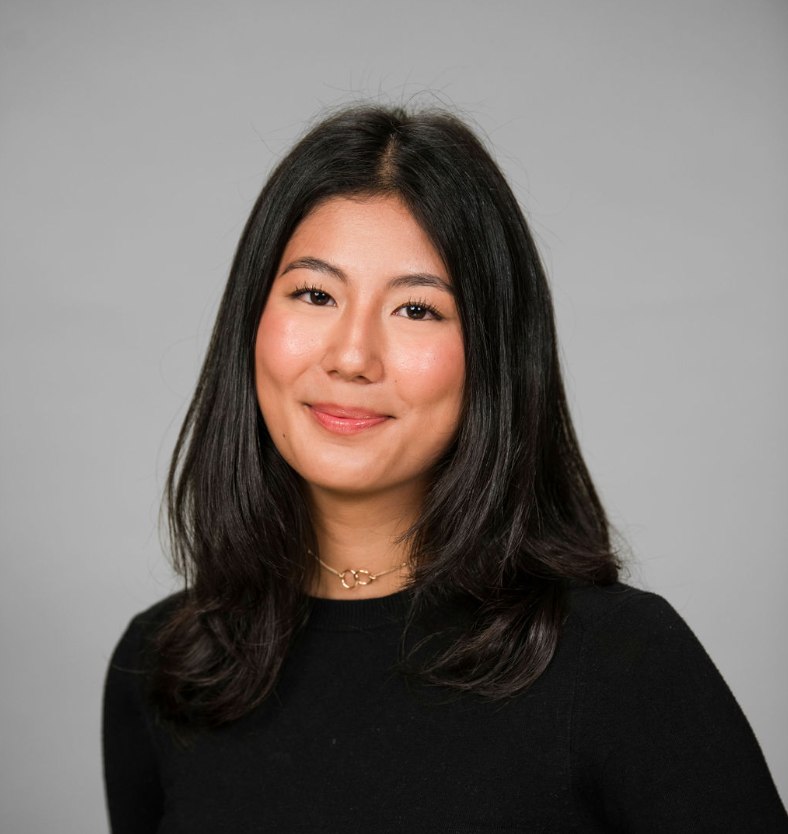
My name is Romi Chaovat. I am a rising Junior living in Cabot House, and I study Integrative Biology and the History of Science on the pre-medical track. Model UN has been part of my life since my sophomore year of high school, and with that coming into college, I knew I wanted to continue, so I jumped at the opportunity to get involved. In my freshman fall, I joined Harvard’s Intercollegiate Model UN (ICMUN) team as a delegate. Furthermore, last year, I directed the Historical ECOSOC of the United Nations Atomic Energy Commission at HMUN and the Disarmament and International Security Committee at HNMUN. These enriching and thought-provoking experiences encouraged me to extend my involvement further and continue as a senior staffer of HNMUN. I hope to use all of the skills and lessons I have developed over this time to deliver a rewarding experience that honors your hard work.
Aside from Model UN, I volunteer work on campus through the Harvard ExperiMentors program, where I teach weekly science lessons and lead hands-on experiments to local elementary classes. I have also participated in many research-heavy experiences, such as my summer in the Structural Nanotechnology Laboratory at New York University, as well as my current role as an undergraduate researcher at the Wyss Institute’s genetics lab. These experiences directly influence my eagerness to direct this committee, and I hope you each enjoy the thrill of scientific discovery as much as I do.
I want to emphasize that I am here for you every step of the way, so please reach out with any questions, and I will be sure to respond promptly. Looking forward to engaging with you all soon!
Best,
Romi Chaovat, Nobel Prize in Chemistry, 2024
ecosoc@hnmun.org