
Social, Humanitarian, and Cultural Committee
Criminal Justice and Prison Reform
Directors: Madison Rosen & Victoria Washington
Topic Summary
In a world with seemingly ever increasing crime, the effectiveness of the world’s prison systems is critical to address. Nearly twelve million people are currently being held in penal institutions worldwide, with over 60% of countries operating at over 100% capacity. In many of these prisons, overcrowding, poor health standards, and violence have become the norm. The conditions within prisons aren’t the only problem; at least 20% of released prisoners reoffend within two years. These challenges tend to undermine public safety and hinder long-term faith in the justice system.
Abhorrent prison conditions and staggeringly high recidivism rates in many countries demonstrates a pressing need for a more humane environment and improved rehabilitation within prison systems. Addressing the issues associated with prison systems requires understanding not only the systems themselves, but also the norms and economic and structural conditions that have shaped them. As SOCHUM works to develop effective strategies, delegates must carefully balance efforts of crime prevention with considerations of human rights, advancing their country’s position on punitive versus rehabilitative justice while striving for more humane prison systems. This background guide will provide a foundation for analyzing the topic, but the complex challenges posed by reforming criminal justice systems require nuanced solutions. Delegates must therefore work together to draft resolutions that promote more humane, rehabilitative carceral systems in the future.
Director’s Letter
Esteemed Delegates,
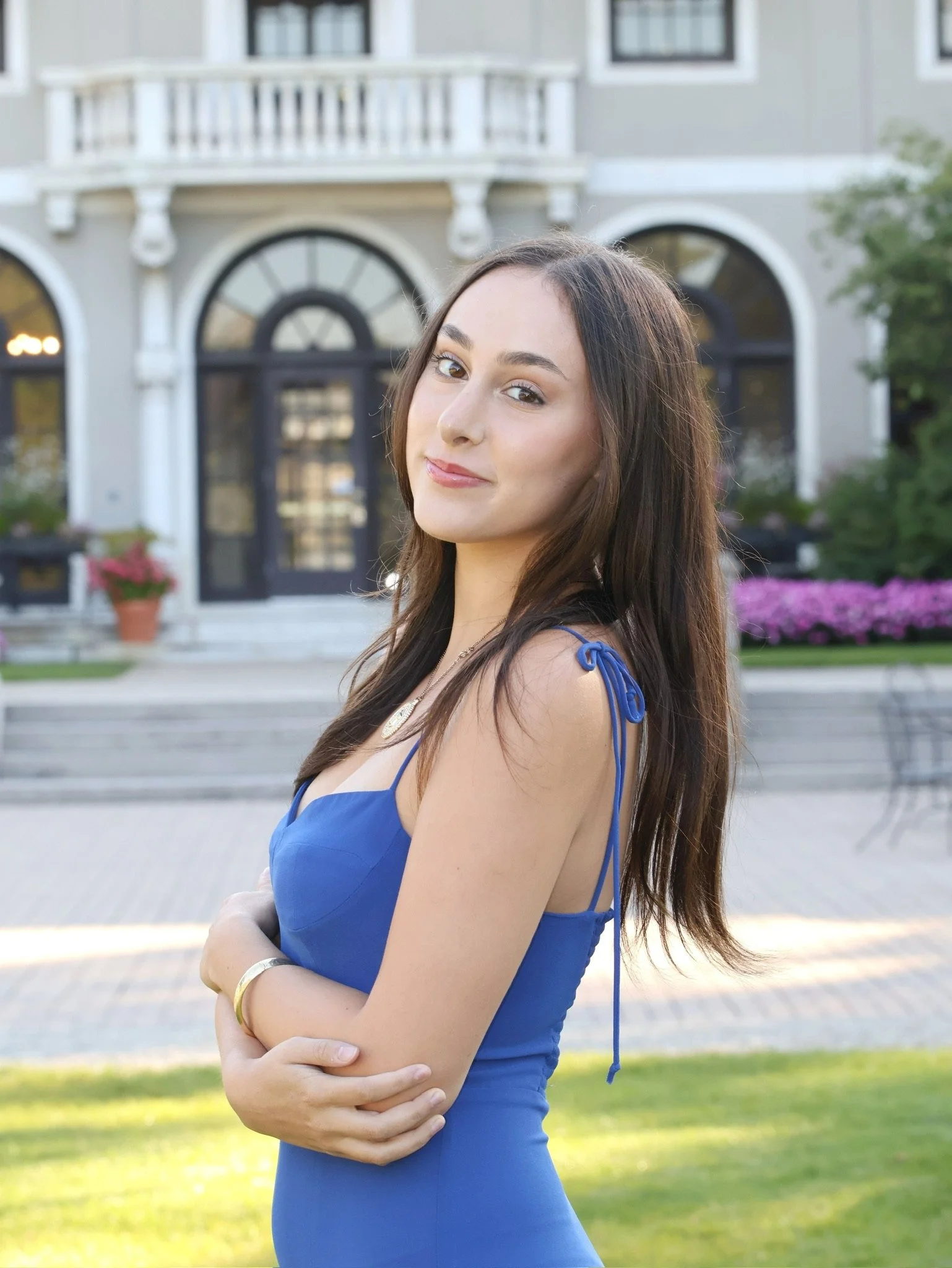
It is my pleasure to welcome you all to the Social, Humanitarian, and Cultural Committee (SOCHUM) for the 2027 session of Harvard National Model United Nations Boston. I am honored to serve as your Director, and I look forward to working with all of you over the course of this conference.
My name is Madison Rosen. I was born and raised in Chicago, Illinois, and I am currently a sophomore at Harvard. I study Government and Economics, and I plan to attend law school after college. At Harvard, I compete on the Intercollegiate Model United Nations (ICMUN) team, and it has been a defining and amazing part of my Harvard experience thus far. This past year, I was also an Assistant Director for the International Monetary Fund at HMUN Boston and an Assistant Director for the Legal Committee at HNMUN. Outside of Model United Nations, I am a member of Harvard’s Institute of Politics, including as a Deputy Chair of Women in Leadership, and I enjoy reading, going to the gym, and dancing in my spare time.
In this committee, we will address critical issues concerning criminal justice and prison reform in the modern world. I am excited to work with all of you as you represent your countries’ unique perspectives and deliberate potential improvements to global approaches to promoting humane conditions in prison systems and rehabilitation for prisoners. I encourage everyone to actively participate in committee discussions, collaborate with your fellow delegates, and propose new and innovative solutions while growing your communication skills. Please do not hesitate to reach out with any questions or concerns. Good luck!
Sincerely,
Madison Rosen
Director, Social, Humanitarian, and Cultural Committee
ga@hnmun.org
Director’s Letter
Esteemed Delegates,
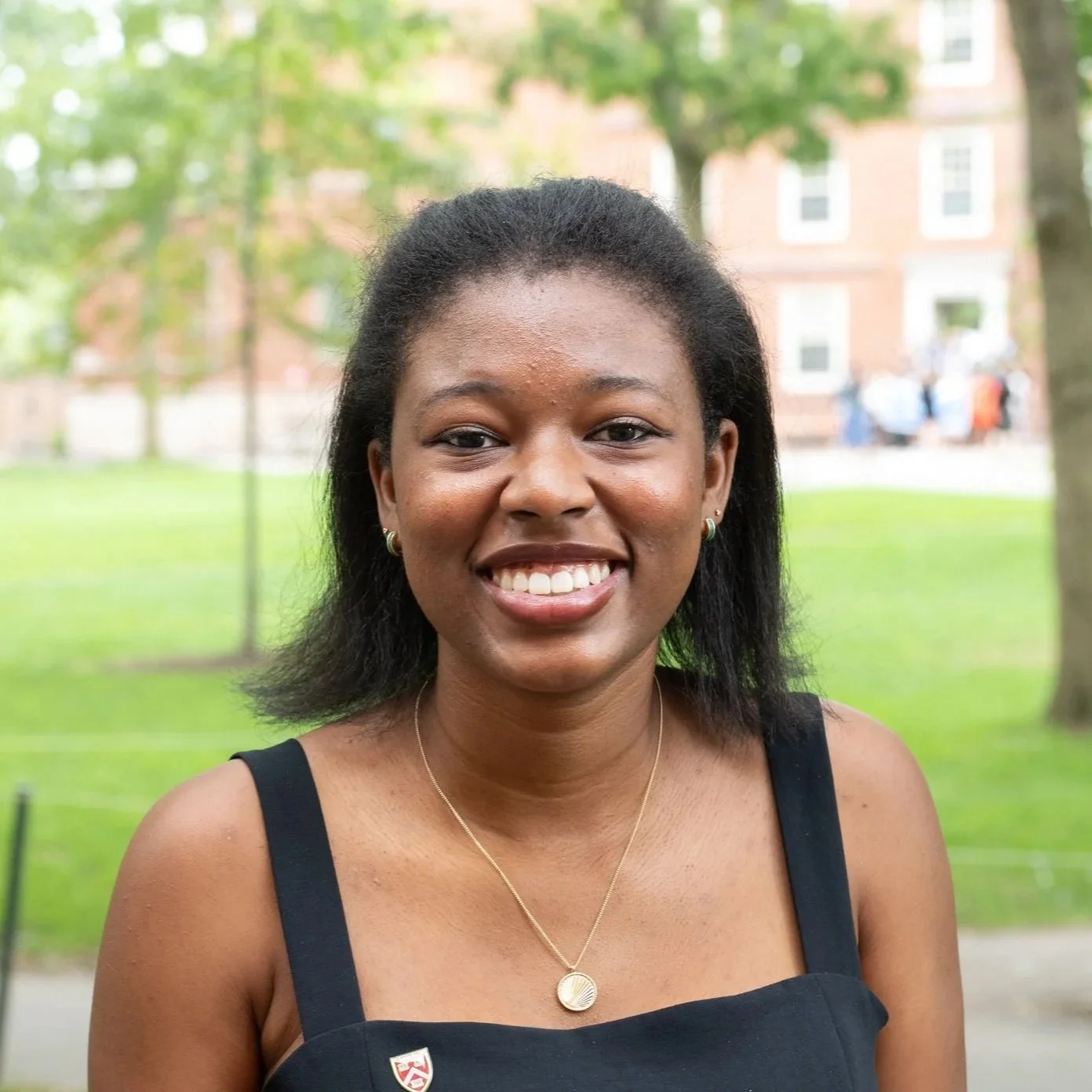
My name is Victoria Washington, and I am thrilled to welcome you to the Social, Humanitarian, and Cultural Committee (SOCHUM) for the 2027 session of Harvard National Model United Nations. It is an honor to serve as your Director for our double-delegation committee on promoting humane conditions and rehabilitation in prison systems. I cannot wait to see the thoughtful debate, creative solutions, and diplomacy that you all bring to committee.
I’m from Chicago, IL, and I am a sophomore studying History of Art & Architecture and Economics at Harvard College. Outside of Model UN, I am a staff writer for the Harvard Crimson Arts Board, a member of the Art Board of the Harvard Advocate, and I occasionally work in costume design for theatrical productions on campus. Before college, I competed in Model UN throughout high school, and more recently, I served as an Assistant Director for the World Conference on Women at HMUN Boston 2026. These experiences have helped shape my appreciation for quality debate and for Model UN as a space to engage with complex global issues.
Our topic this year asks delegates to confront one of the most overlooked humanitarian challenges facing the international community: the treatment of incarcerated individuals and the role of rehabilitation within prison systems. Around the world, prison overcrowding, inadequate healthcare, violence, systemic discrimination, and barriers to successful rehabilitation and reintegration continue to undermine fundamental human rights. I am excited to work with all of you as you represent your countries’ unique perspectives and collaborate on innovative, practical solutions to these pressing humanitarian concerns.
In debate, I encourage you to consider not only the immediate humanitarian concerns within prisons, but also the broader structural factors that shape incarceration, including poverty and access to education and social services. I look forward to meeting you and seeing everyone grow as delegates throughout the weekend. Please do not hesitate to reach out with any questions or comments you may have.
Best regards,
Victoria Washington
Director, Social, Humanitarian, and Cultural Committee
ga@hnmun.org